
Why Install a Pump Track in Northern France? Advantages and Field Feedback
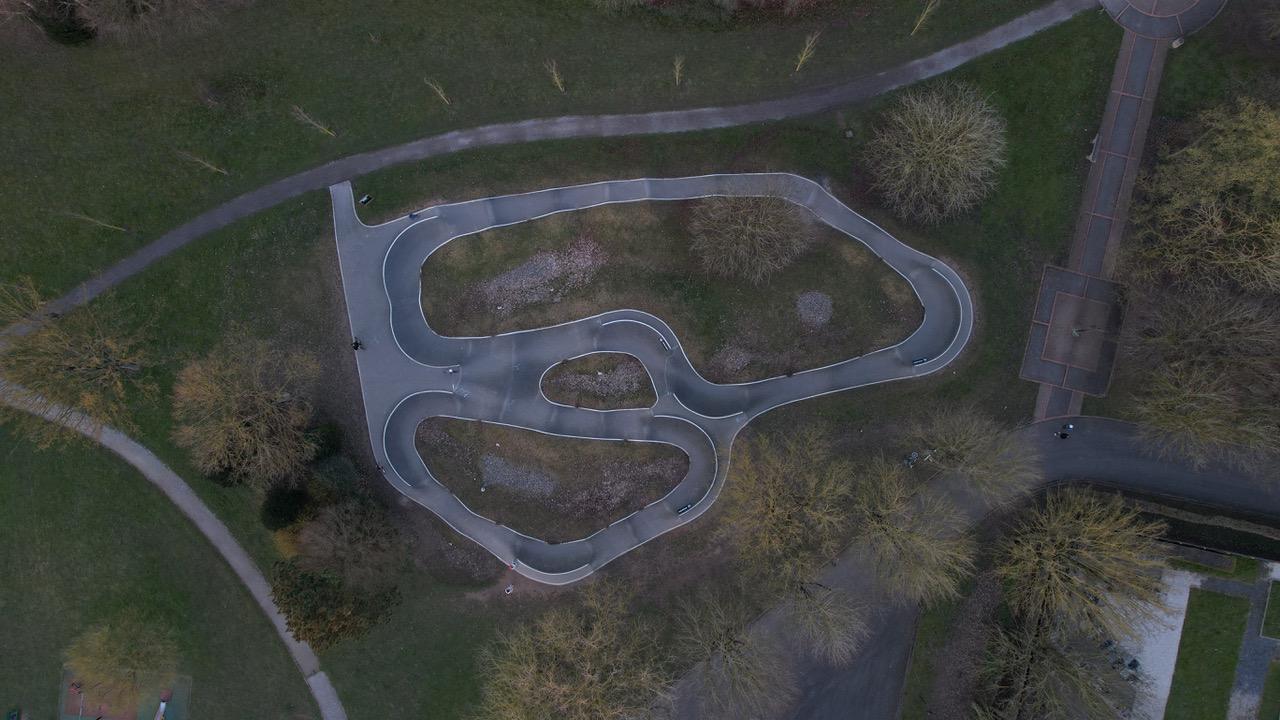
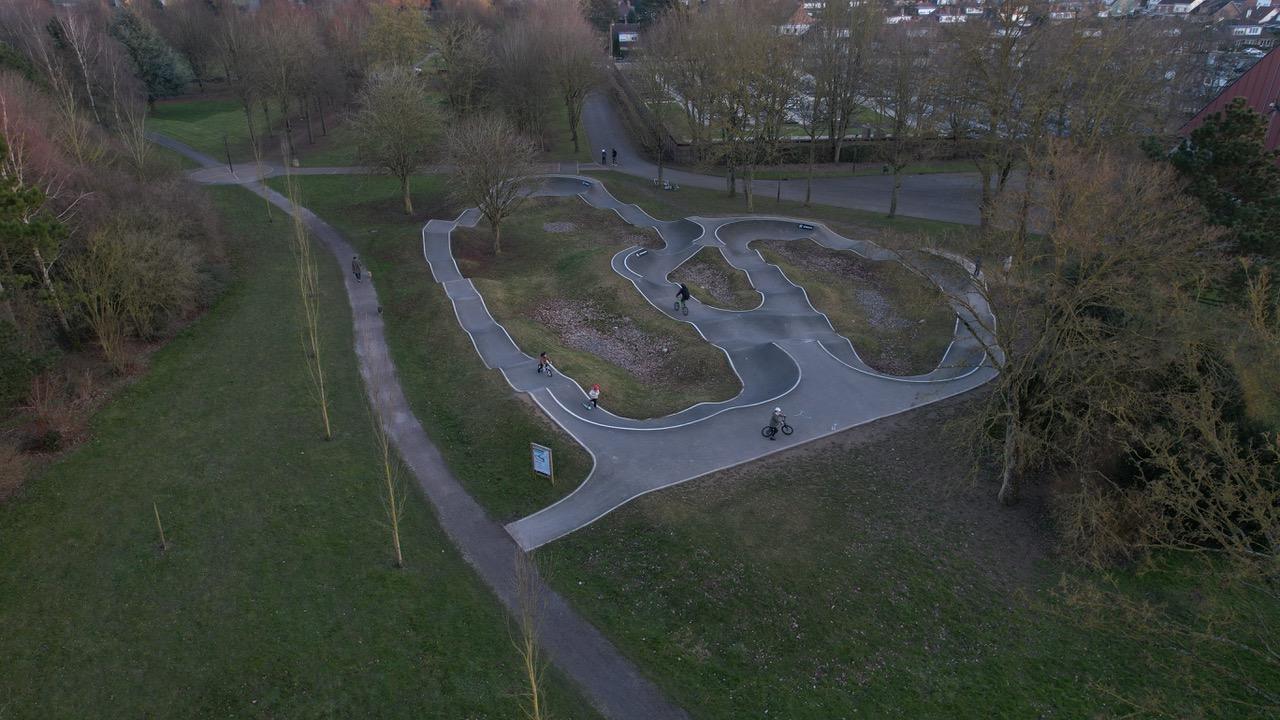
Pump tracks in Northern France: a facility suited to the region
Northern France has a deeply rooted sports culture. Football, cycling and BMX racing have long been part of the region’s identity, creating a strong sense of collective energy around sport.
Installing a pump track in Northern France is not about importing a new trend. It is about extending a local sporting tradition while adapting it to contemporary practices.
With a high population density and many mid-sized municipalities, the region has a clear need for sports facilities that are accessible, visible and built to last.
A climate compatible with year-round riding
A common question often arises: is a pump track suitable in a region with a humid climate?
Technically, the answer is yes.
Asphalt pump tracks offer:
- excellent resistance to weather conditions
- natural water drainage when the drainage system is properly designed
- limited maintenance requirements
In a region where rainfall is more frequent than the national average, the choice of materials and the shaping of the track profile are essential.
A well-designed pump track remains usable for a large part of the year.
A region historically linked to BMX
The Nord–Pas-de-Calais region is one of the historic strongholds of BMX racing in France. The French Cycling Federation records a particularly high number of active BMX clubs in the area relative to its population.
This strong cycling culture helps facilitate the adoption of pump tracks.
Unlike in regions where additional educational outreach may be necessary, the local public already understands the fundamentals of riding: momentum, bermed turns and rhythm.
Pump tracks in Northern France therefore integrate naturally into an existing ecosystem rather than introducing a completely new culture.
Responding to the demand for inclusive facilities
Like many regions in France, local governments in Northern France face several challenges:
- increasing youth inactivity
- unequal access to sports facilities
- gender imbalance in the use of public space
Pump tracks address these challenges through their very nature: free and open practice, accessible to multiple generations and usable without reservations.
In communities where multi-sport courts have sometimes been dominated by a single user group, pump tracks can diversify recreational opportunities.
Field feedback: strong usage and quick adoption
Feedback from similar installations highlights a consistent trend: usage builds quickly.
Children often arrive first on scooters.
Teenagers follow soon after.
Parents eventually give it a try themselves.
The visibility of the circuit naturally attracts curiosity, and learning often happens through observation.
In a densely populated region like Northern France, this word-of-mouth dynamic spreads quickly.
Integrating pump tracks into urban or natural landscapes
Northern France is not only an industrial region. It is also a landscape of parks, rehabilitated brownfields and spaces undergoing urban renewal.
A pump track can help revitalize a former industrial site, structure a municipal park or bring new life to a neighborhood in transition.
The layout adapts to the existing terrain. It does not impose itself on the space, it interacts with it.
Designing for long-term use
Specializing in the design and construction of pump tracks and BMX tracks, HTracks develops each project by considering local constraints: climate, soil conditions, user needs and population density.
Installing a pump track in Northern France is not about placing a standardized piece of infrastructure.
It is about designing a durable riding space, capable of supporting both today’s practices and those of tomorrow.