Pump Tracks: The 2.0 Playground for Modern Cities
In the early 2000s, urban recreational facilities tended to follow fairly rigid categories: playgrounds for younger children, multi-sport courts for soccer or basketball, skateparks for dedicated riders.
Each space had its audience.
Each audience had its space.
The pump track represents an evolution.
It does not replace these facilities, but surpasses them in its ability to bring together different types of users within the same space.
In that sense, it can be seen as a “playground 2.0.”
A more open and hybrid space
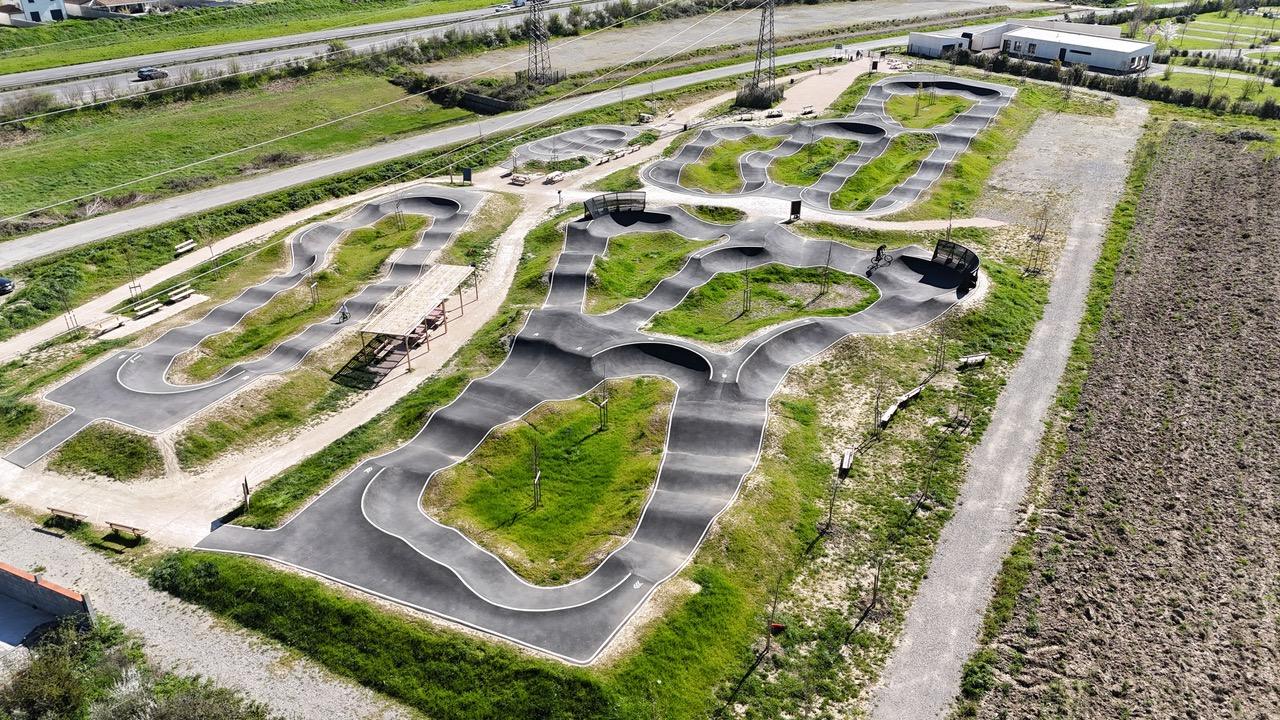
Unlike many highly structured facilities built in the early 2000s, pump tracks do not prescribe a single discipline. Their design follows a simple principle: a loop, rollers and berms.
Everything else depends on the users.
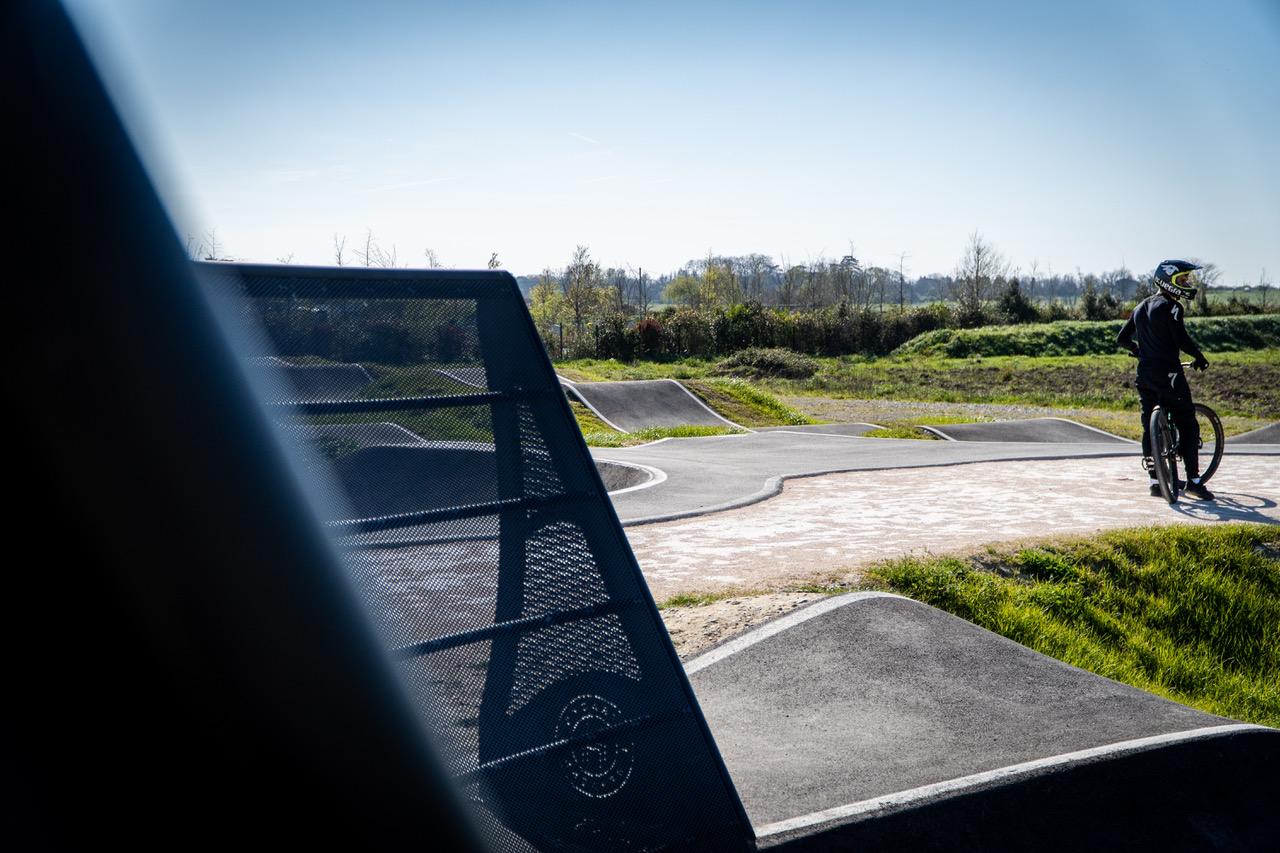
People ride BMX bikes, mountain bikes, scooters and sometimes rollerblades. Some come to improve their skills, others to train, film a clean line or simply enjoy the rhythm of the track.
The facility does not impose strict rules.
It offers a space for expression.
Interactions born from movement
On a pump track, social interaction does not emerge from formal organization but from shared use.
Conversations happen naturally around the riding experience:
— “You’re taking that turn too wide.”
— “Pump before the roller.”
These are small exchanges, repeated every day. Over time, they create a sense of familiarity between people who might never have spoken to each other elsewhere.
According to research on public space, notably Ray Oldenburg’s theory of “third places”, lasting social spaces are those where people can gather freely, without the obligation to consume or formally belong to an organization.
Pump tracks fit perfectly within this logic:
people arrive, ride, leave and come back again.