
Pump Tracks: A Sport the Whole Family Can Enjoy
Pump tracks and families: a shared playground
Finding a physical activity that parents and children can truly share is not always easy. Many sports facilities tend to segment their users: fields for teenagers, playgrounds for younger children, fitness areas for adults.
Pump tracks break away from that logic.
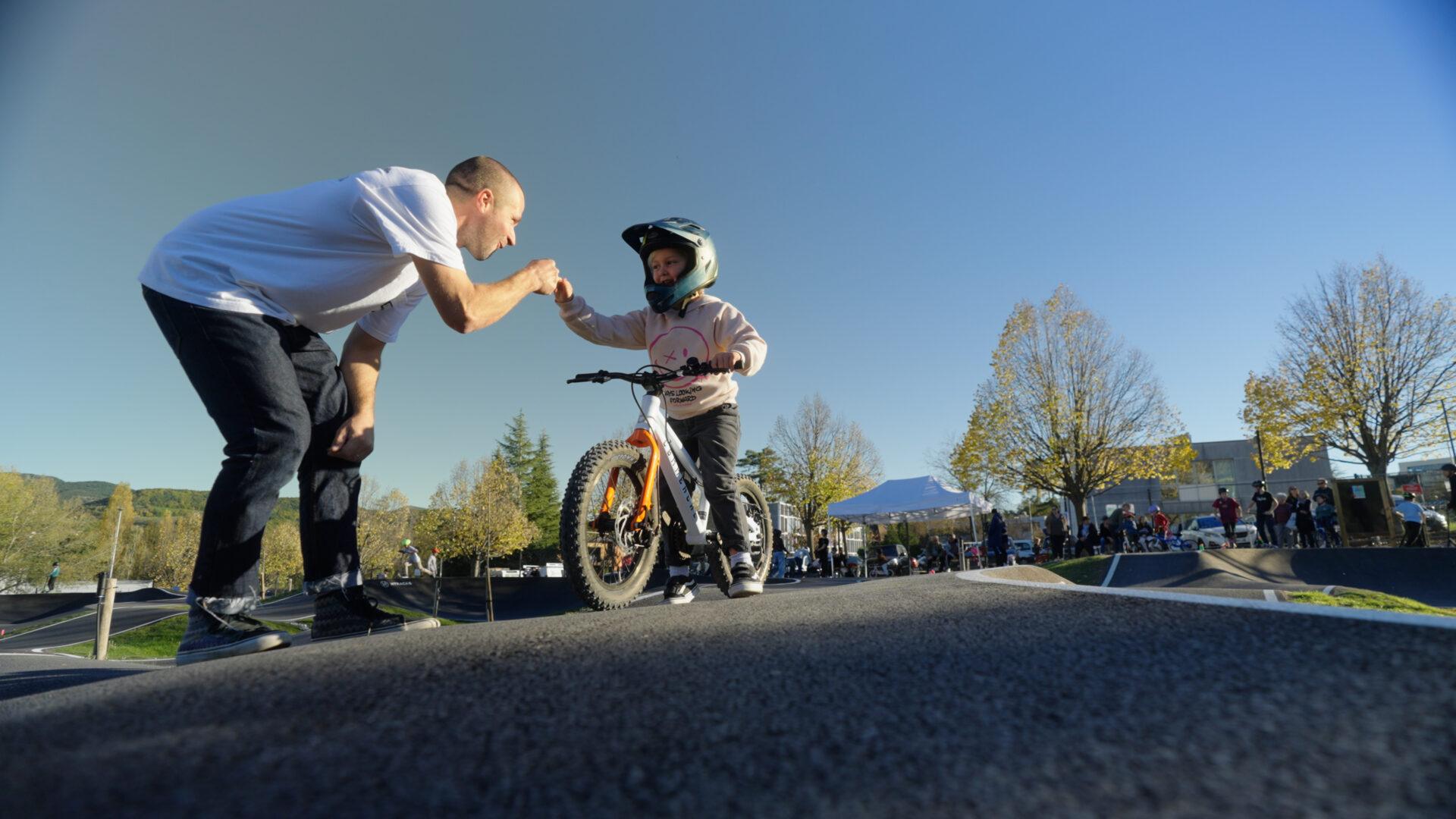
On the same track, you might see a child on a balance bike, a parent on a mountain bike, a teenager on a BMX and sometimes an adult on rollerblades. The principle is universal: generating speed without pedaling, using the terrain and body movement.
One track, multiple generations.
An activity accessible from an early age
Pump track riding can begin very early. From the age of 3 or 4, a child riding a balance bike can start navigating small rollers and understanding the rhythm of the track.
This progressive learning process is essential. Unlike some technical sports that require a long learning phase before becoming enjoyable, pump tracks provide immediate gratification.
According to the World Health Organization (WHO), children and adolescents should engage in at least 60 minutes of physical activity every day (WHO, 2020). Public spaces that encourage spontaneous and unstructured activity play a key role in reaching this goal.
Pump tracks fit perfectly within this framework: an activity that is autonomous, informal and endlessly repeatable.
A rare intergenerational space
In urban planning and park design, the idea of intergenerational spaces has become increasingly important. Yet very few facilities allow different age groups to practice activities simultaneously.
Pump tracks do not divide users.
They bring them together.
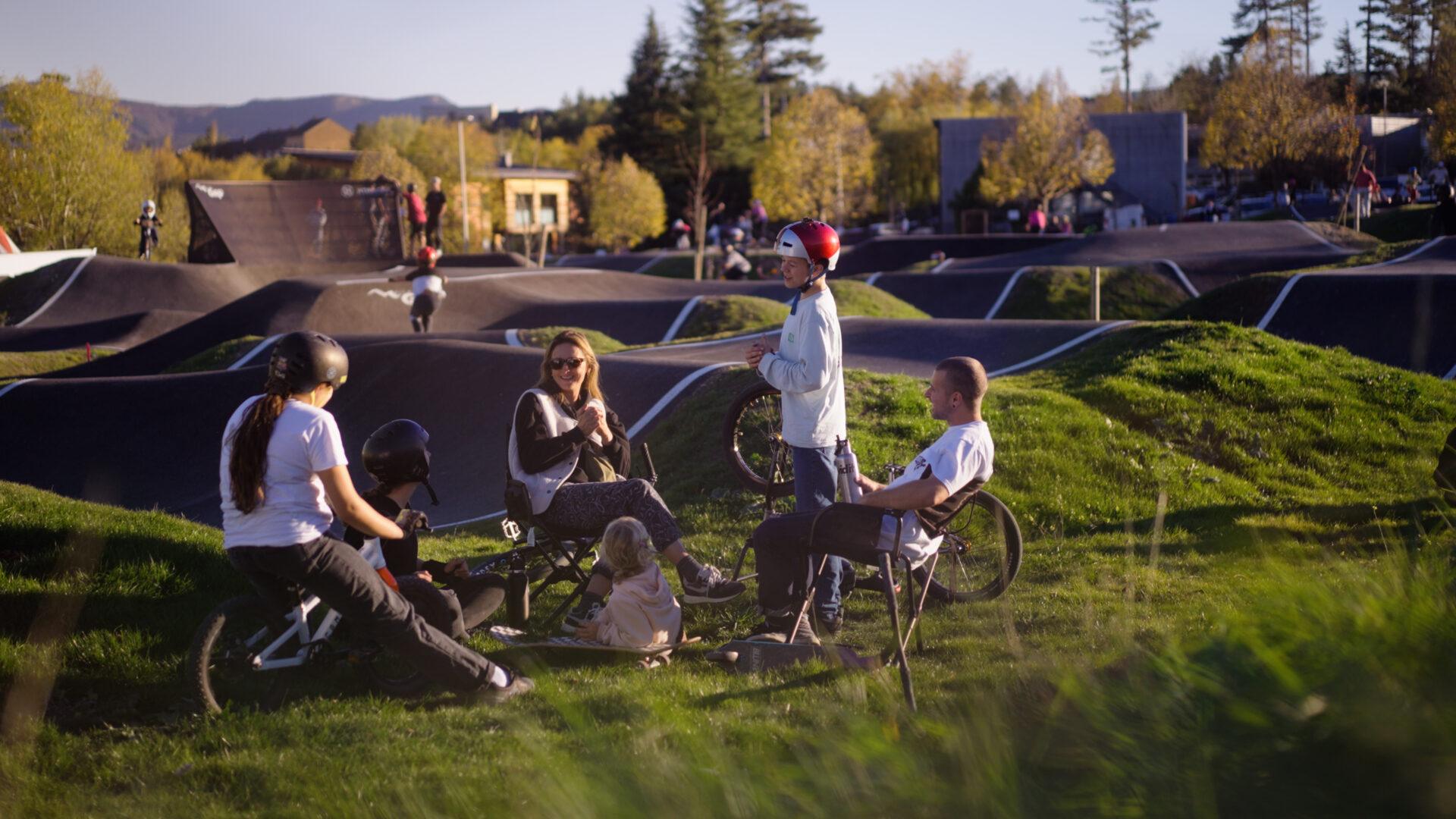
A parent can ride alongside a child and then take a lap themselves. A teenager can push their limits without excluding younger riders. Different skill levels naturally coexist.
This mix of users helps strengthen community bonds at the local level: riders exchange advice, share techniques and pass on skills.
A versatile learning environment
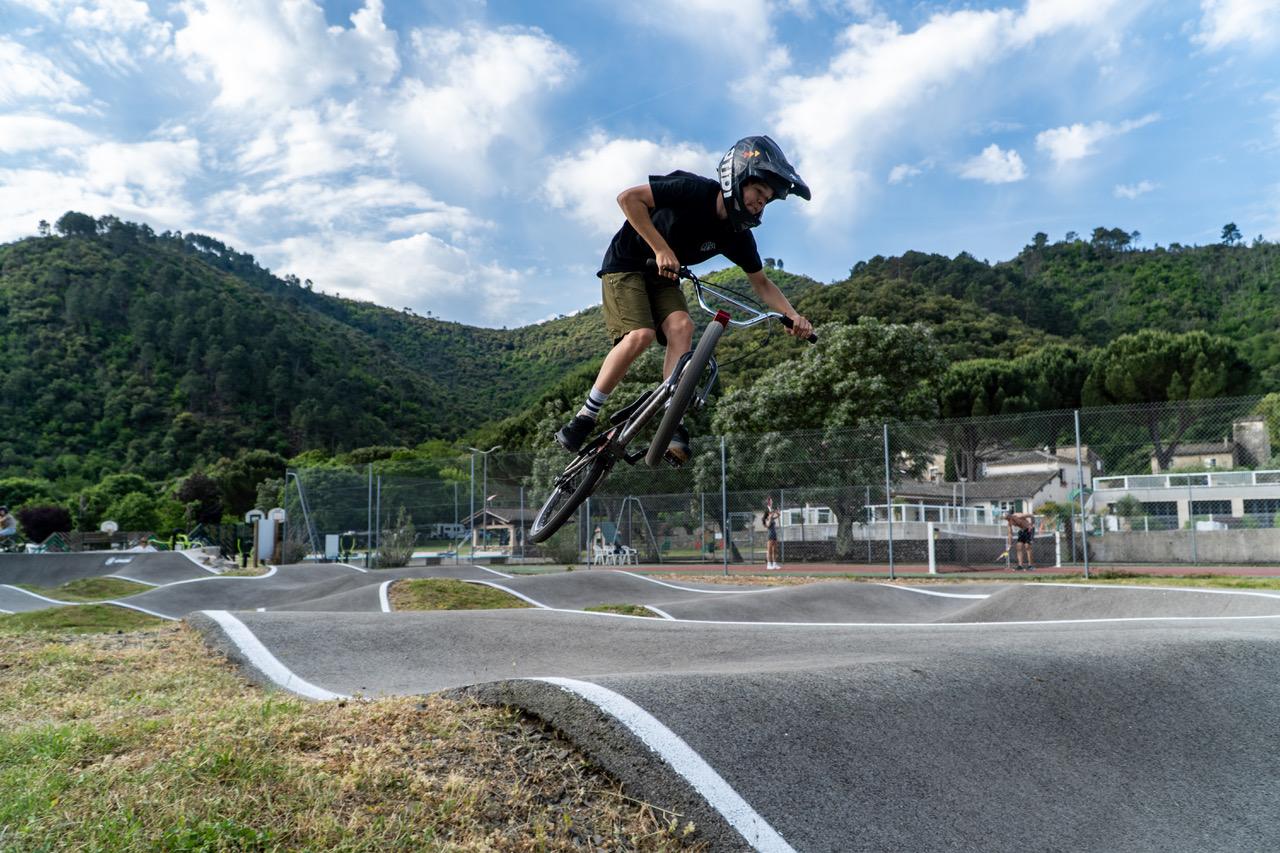
Beyond recreation, riding a pump track develops several key skills:
- coordination
- balance
- terrain reading
- speed management
These abilities transfer directly to other cycling or action sports disciplines.
For local governments, building a pump track means creating a facility that does not target a single age group, but instead supports riders as they progress over many years.
More than a sports facility: a community gathering place
A pump track is not only a sports facility. It often becomes a meeting place for families and communities: weekend outings, after-school activities and informal gatherings between neighbors.
No reservation required.
No strict opening hours.
No membership needed.
The track is open.
The activity is free.
At a time when communities are looking for ways to strengthen social cohesion and encourage physical activity, pump tracks offer a simple solution: a place where families can move, ride and spend time together.