Climate and Resilience Act: Reducing the Environmental Impact of a Pump Track Starts at the Design Stage
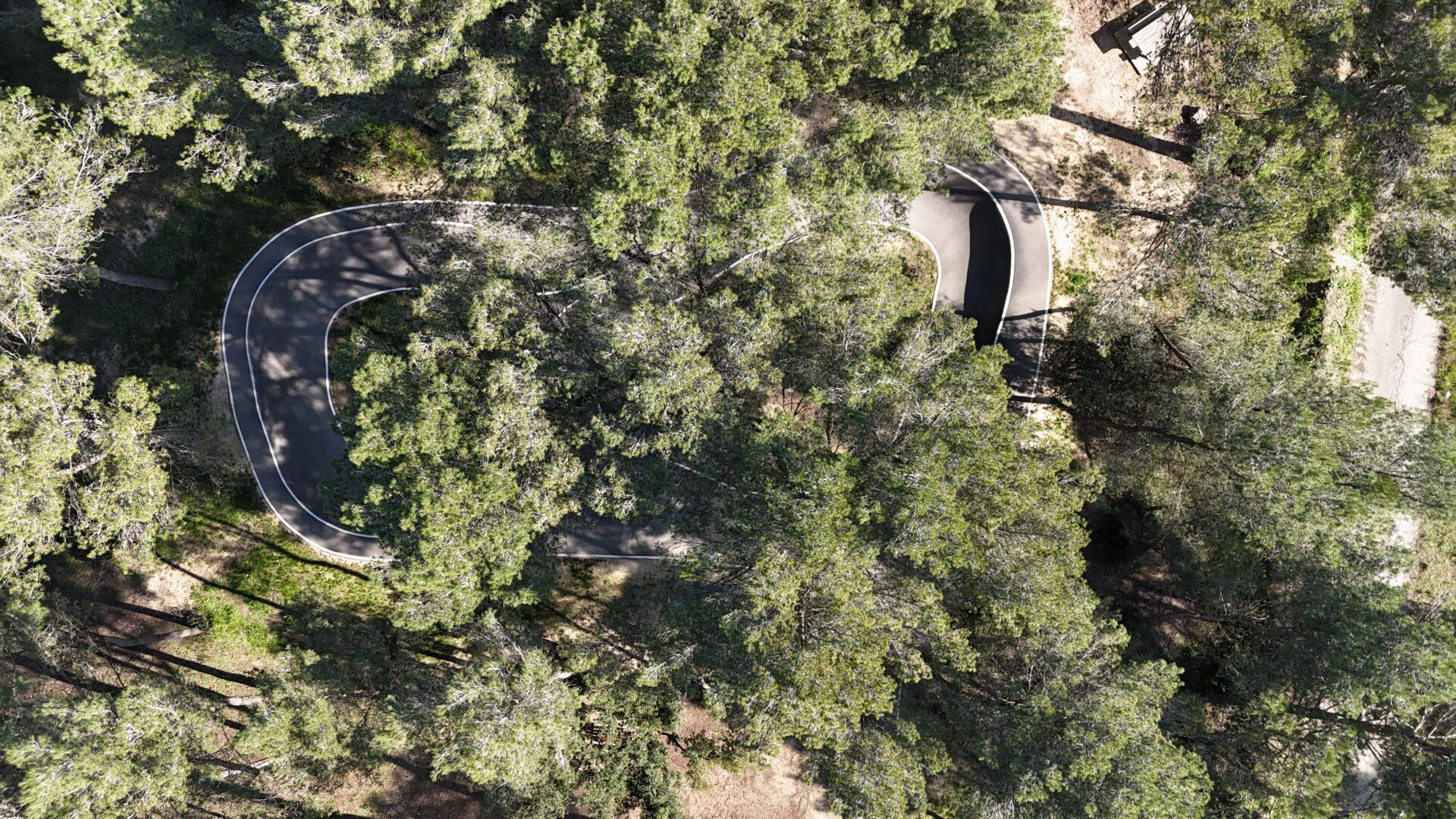
Building a pump track means creating a sports facility for wheeled activities, bringing together children, families, casual riders and experienced athletes.
But before it becomes a place to ride, a pump track is also a construction site. Soil is moved, materials are delivered, machinery is operated and trucks travel to and from the site.
With the Climate and Resilience Act, environmental considerations are playing an increasingly important role in public procurement in France. For HTracks, this development reinforces a simple belief: part of a construction project’s environmental impact is determined before work even begins.
It all starts with the design.
Designing with the Terrain, Not Against It
Every site is different.
Its topography, slopes, soil characteristics and available materials provide the starting point for our work.
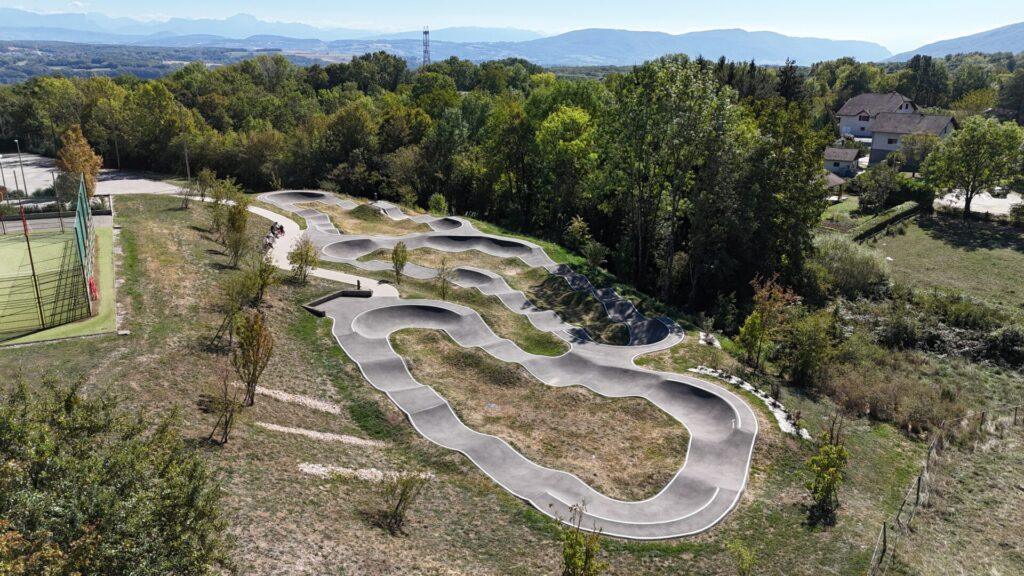
The goal is to integrate the pump track into the existing terrain as much as possible and achieve the best possible balance between cut and fill. Soil excavated on site that can be reused does not need to be removed and replaced with material brought in from elsewhere.
Less soil removal. Less imported material. Less transportation.
This approach needs to be incorporated from the earliest stages of a project. Material reuse and earthworks optimisation cannot be improvised once the machinery arrives on site: they must be planned and designed from the outset.
Precision Makes for a More Resource-Efficient Project
Building better does not mean building more.
The design process makes it possible to anticipate the required volumes and optimise the track profiles, ensuring that materials are used where they are genuinely needed.
This precision also helps reduce one of the major impacts of a construction project: transportation.
Every truck journey consumes fuel, generates emissions, creates noise and adds to traffic. Reducing the volumes of material that need to be removed or brought in, and sourcing materials locally wherever possible, therefore helps directly reduce these impacts.
The most sustainable tonne to transport is the one that does not need to be transported at all.
With more than 200 projects completed, our experience allows us to pursue these efficiencies without losing sight of the fundamentals of a pump track: ride quality, safety, accessibility for different skill levels and long-term durability.
Build Once. Build to Last.
The lifespan of a facility is also part of the equation.
A pump track that requires major work after just a few years means using more materials, machinery and transportation all over again.
Water management, earthworks, structural design, compaction and surfacing: the quality of every stage contributes to the long-term durability of the finished facility.
Our goal is to build facilities that see intensive use and are designed to last.
Measuring to Keep Improving
To go further, we also need to be able to measure our impact.
HTracks is currently working to improve how it measures the environmental footprint of its construction projects, including earth movements, volumes of material reused on site, imported materials, sourcing distances, transportation and the main sources of emissions.
The objective is to progressively establish indicators that allow us to compare technical choices and identify the most effective solutions.
Because what we measure, we can improve.
The Climate and Resilience Act: A Practical Consideration for Public Pump Track Contracts
The Climate and Resilience Act strengthens the consideration of environmental factors in public procurement in France.
For local authorities planning to build a pump track, these considerations can be incorporated from the project definition stage and when drafting the tender documents.
For two pump tracks of comparable size and intended use, the quantities of materials required and the amount of transportation involved can vary significantly depending on their design, layout and the resources available on site.
A project’s environmental performance therefore depends on more than just how it is built.
It starts with how it is designed.
Towards More Resource-Efficient and Resilient Pump Tracks
Pump tracks have become fully fledged sports and urban facilities, bringing together different generations and skill levels in the same space.
The way we design and build them must continue to evolve.
Design around existing conditions.
Reuse more materials.
Reduce transportation.
Build with precision.
Measure our impact.
Build for the long term.
This is our vision of a more sustainable approach to pump track construction.